

Do Asians Need Different Makeup Than White Skin
In Eastward Asia, information technology's not uncommon to find people fully-dressed on beaches, conveying umbrellas on sunny days, or wearing full face-covering masks in parks. Women in item go to extreme lengths to achieve pale skin whether it's through obsessive whitening skin care routines or melanin-reducing injections. But where did all of this come from?
Some western media outlets like to report that this desire to have articulate, white pare is a reflection on Eastward Asians wanting to wait more European. However, these hypotheses barely scratch the surface when discussing the origin of the pale peel beauty standards.
In Mainland china, Japan and Korea – long before exposure to European dazzler standards – tan peel was associated with lower-class field work while having pale skin signified social prestige.
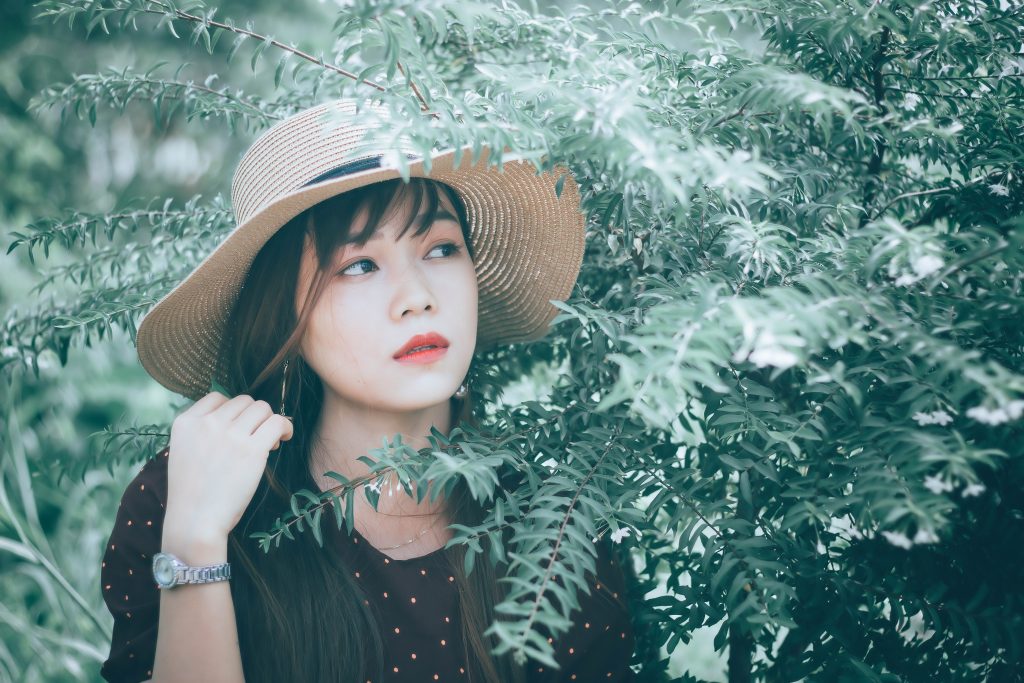
For these same reasons, European women during the Renaissance period also oftentimes turned to dangerous methods to reach pale and unblemished skin. Some women fifty-fifty painted mercury on their faces or applied leeches to their peel to achieve their desired complexion.
According to Global Industry Analysts, China makes upward for roughly 40% of all whitening product sales in Asia, Japan makes upward for 21% and South Korea, 18%. Each of these three countries have their ain variations of practices and histories associated with this dazzler standard. Then exactly how and when did this multi-billion-dollar industry kicking off?
Red china
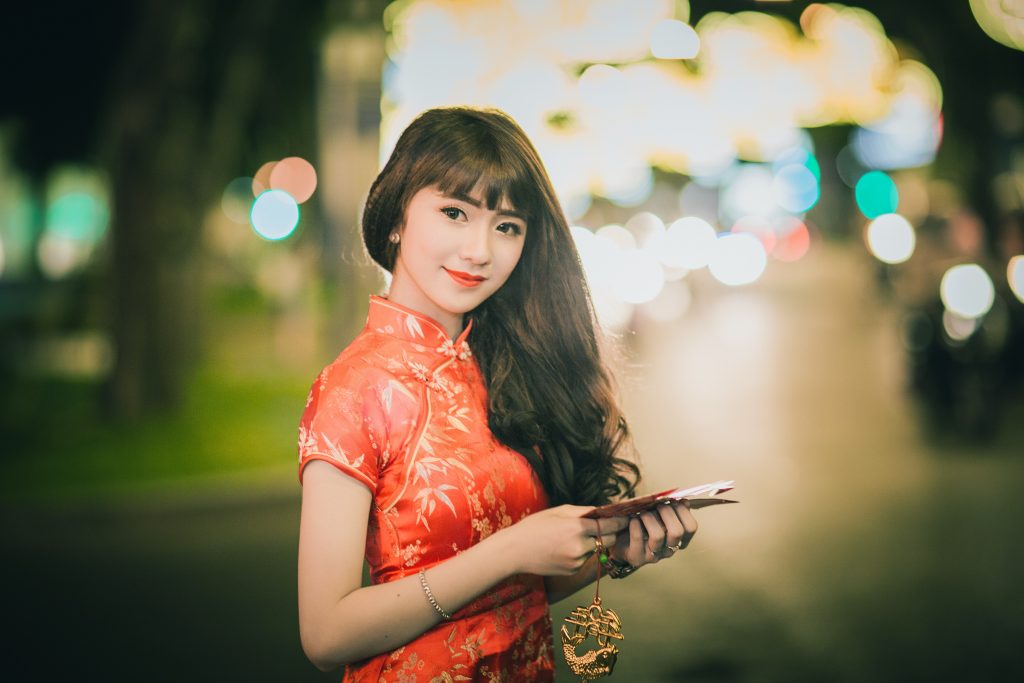
White pare has been considered to exist desirable by Chinese women as far dorsum as the Han Dynasty (206 B.C. – 220 A.D.). People believed that the color of one's pare was reflective of their social status – having pale skin showed that you had the luxury of beingness able to relax indoors instead of working in the fields.
These beauty standards had an impact on food trends every bit well. During the Ming Dynasty (1368 – 1644 A.D.), Chinese medicine manuals recommended consuming certain foods to attain lighter skin. Among some of these recipes were the "three white soup" which consisted of white peony root, white atractylodes, white tuckahoe and liquorice. A different, slightly stranger, remedy recommended swallowing pearls that had been basis up into powder.
There are several variations of an sometime Chinese saying that is still oft repeated today. Information technology goes, "White skin can help muffle 100 other defects in your appearance." Stake peel has been a beauty standard in Cathay for a very long time and even today, roughly 40% of Chinese women regularly use skin-whitening products according to a World Health Organisation written report. Concerningly, some Chinese peel lighteners still contain mercury which tin can cause serious health issues and therefore have been banned in the U.S.
Japan
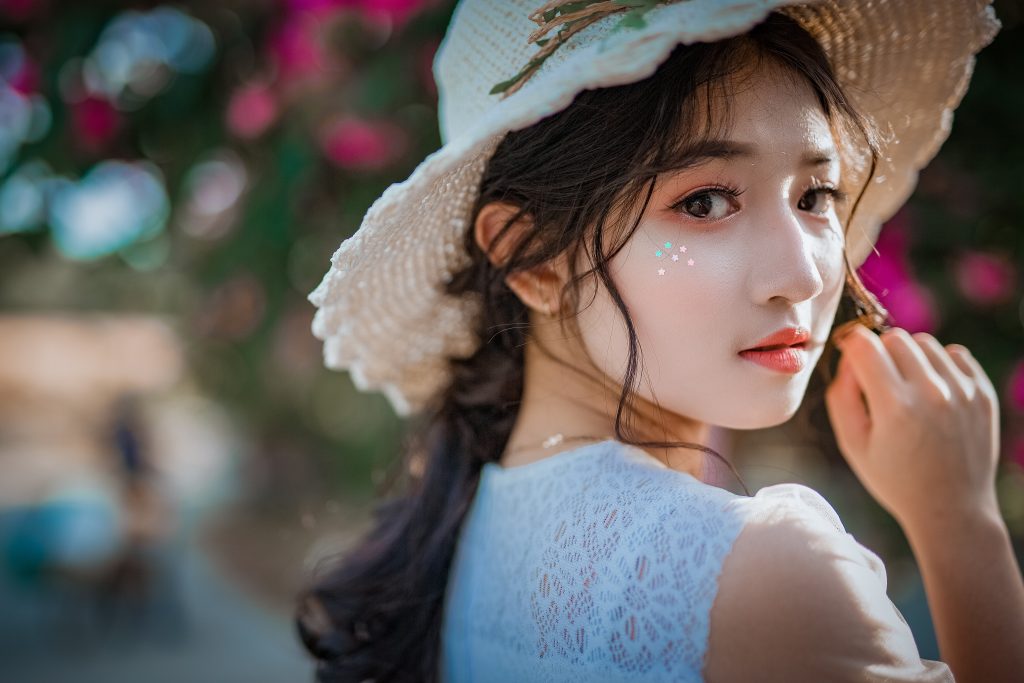
Similar to China, in that location is an old Japanese maxim which states that "a fair complexion hides 7 flaws." Long before any contact with Europeans, the Japanese believed stake skin was beautiful while darker skin was frequently viewed as unattractive.
During the Nara catamenia (710-794) and up until the Heian Period (794 – 1185), cosmetic products for peel whitening became closely associated with nobility. Women often practical liberal amounts of white pulverisation, called oshiroi, to their faces which was besides used by kabuki actors and geishas. During the Edo period (1603 – 1868) the dazzler standards shifted slightly, and women began seeking a more natural-looking pale complexion.
Back in the erstwhile days, it was considered adept etiquette for a Japanese woman to wear makeup and these women were oftentimes expected to continue their white makeup on from early mornings into late nights – fifty-fifty when they were in the bath. The process of applying makeup was also considered to exist an act that should not be seen past others.
Korea

One thousand-popular idols and Korean actors are known for frequently lightening their skin colour in photos, like many other celebrities beyond Asia. This preference for white, blemish-gratuitous skin dates back all the way to the Gojoseon Era (2333 B.C. – 108 A.D.) — the beginning dynasty in Korean history.
For similar reasons to Communist china and Nippon, aboriginal Koreans with pale skin were often told they looked noble. Smooth, pale skin of both noble men and women were described as resembling pale jade.
Ancient Koreans have besides sought pare-lightening methods during these periods. Women often practical dregs of honey or miansoo lotion to their peel while upper class children of the Goryeo dynasty (918-1392) are said to have washed their faces with peach flower h2o for white, transparent skin.
Today, the Korean plastic surgery industry has developed everything from skin bleaching procedures to skin-lightening injections for porcelain skin – many plastic surgeons believe pop Korean celebrities have also undergone similar procedures. Women can often be seen wearing foundation several shades lighter than their real skin tone and applying filters to their photos to lighten the skin.
Western influence
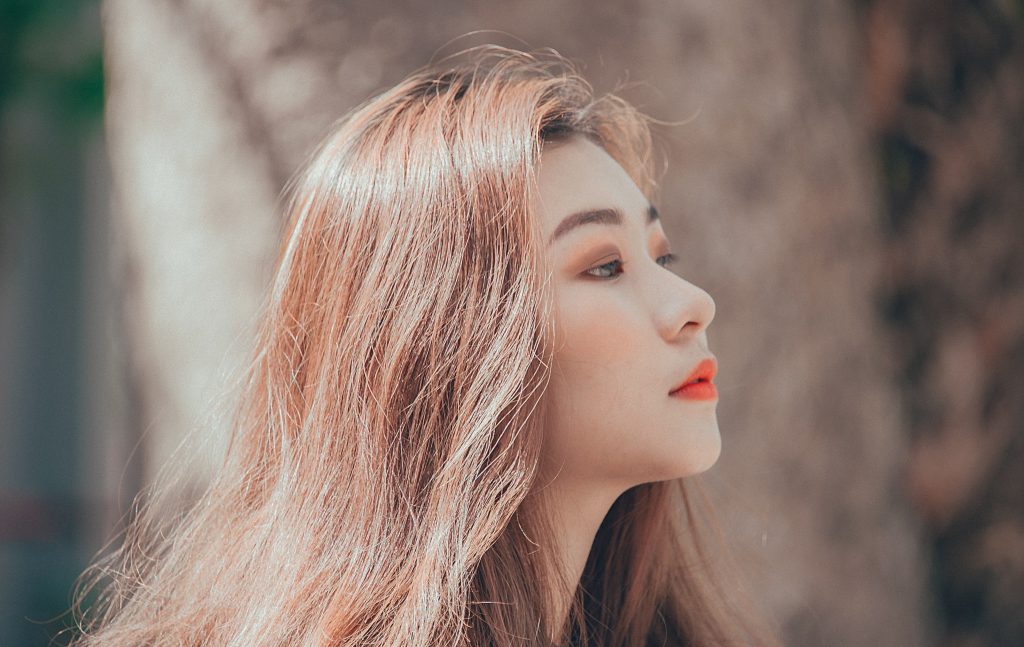
Light skin is still ofttimes associated with wealth, privilege and status in Asian countries, and the skin whitening industry is but projected to grow further in the post-obit years. However, some believe that the spread of capitalism and western civilisation has further complicated this beauty standard by associating Caucasians and the global wealth and ability of the U.S. with white skin.
A written report on the employ of Caucasian models in the Asian dazzler industry found that 44% of Korean and 54% Japanese advertisements featured Caucasian models. Fifty-fifty when local models were used, the color of their pare remained, for the most part, stake. A different written report that examined racial representation in the Korean magazine "Céci" discovered that while Asian women were pictured more than any other race, white women were not far behind and other races were largely absent in the publication.
However, while modern-24-hour interval exposure to European beauty standards has certainly added another layer in this desire for pale skin, Asia has always created its own dazzler standards. Therefore, this quest for white peel is less an endeavour to emulate Caucasian features and more to do with wanting to be perceived every bit wealthy and college class within Asian societies. Regardless, the popularity of skin whitening products despite its dangers, shows the prevalence of colorism within Eastern asia and the farthermost lengths both women and men are willing to go fit into these beauty ideals.
Subscribe to Shark Bites, it'due south free!
Your top weekly AAPI news, in 5-infinitesimal snack format
Source: https://nextshark.com/east-asian-pale-skin-beauty-standard/
Posted by: barberfolve1970.blogspot.com
0 Response to "Do Asians Need Different Makeup Than White Skin"
Post a Comment